
 Turn Key Tanks
 Concrete Built
 Acrylic Panels
 Artificial Rock
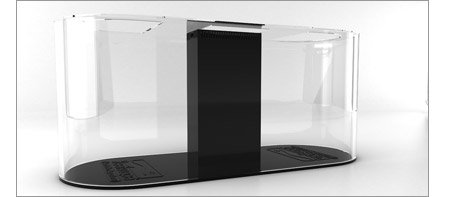
Turn Key Tanks. Read More
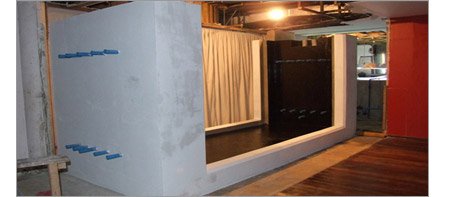
Concrete Tanks. Read More
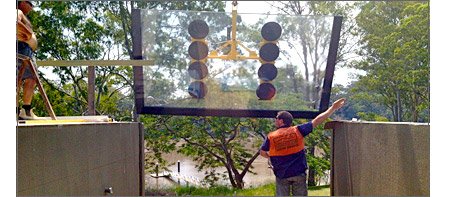
Acrylic Panels. Read More
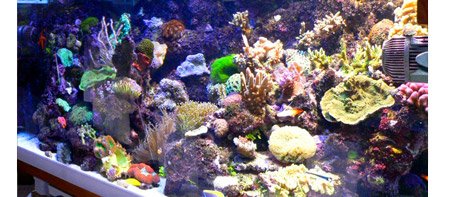
Artificial Rock. Read More
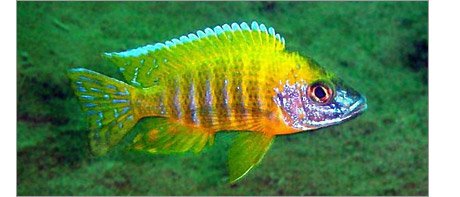
An African Cichlid fish found in Lake Malawi Africa. Show me more about this build on Facebook.
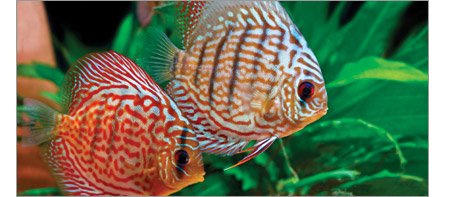
A pair of discus fish found in the Amazon rain forest. Show me more about this build on Facebook.
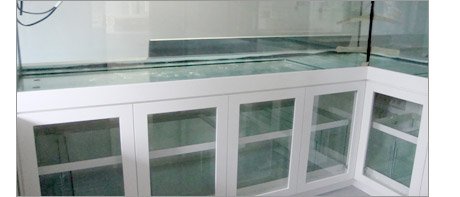
The main display aqaurium tanks during construction. Glass cupboard doors allowed easy study of the aquarium refugium tank system. Show me more about this build on Facebook.
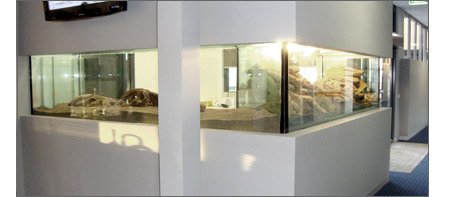
Finished aquarium tanks before filling and stocking. Show me more about this build on Facebook.
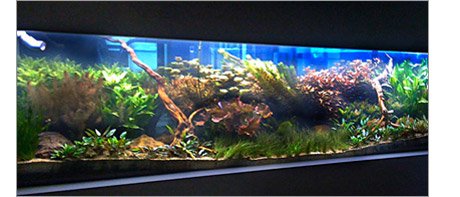
Finished Amazon aquarium tank after final fill. Show me more about this build on Facebook.
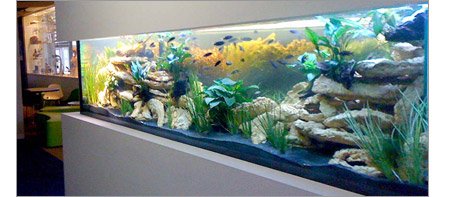
Finished Lake Malawi aquarium tank after final fill. Show me more about this build on Facebook.
Lake Malawi and the Amazon River flow through a Science Department’s Glass Aquariums
Location: Melbourne, Australia
Role in Project: Design, Manufacture, and Installation
Year of Build: 2010
Size: 4000 liters +
Construction: Concrete, Steal and Glass
Time in Construction: 2 months
Annual Visitation: N/A
Reefscape Australia were appointed by Henderson and Lodge Architects to assist with 2 large glass aquariums required for a school science department.
Reefscape Australia designed 2 aquarium tanks, 1 to display fish found within the alkaline waters of Lake Malawi Africa, the second to display the fish found in the Amazon river of South America.
Lake Malawi is the home to a unique species of fish called African Cichlids. African Cichlids area unique species commonly called "mouth breeders".
The female fish will lay eggs on a vigorously defended patch of rock and they are then fertilised by the male. On hatching, or in some cases before, the male fish will gobble all of his fry into his mouth.
From their father’s mouth fry will leave to feed and explore their new underwater world, returning to their father’s mouth for protection on command. ln this manner the fry remain protected until big enough to fend for themselves. A level of parental care that is rare, even in more sophisticated species of animal.
The Amazon river tank was proposed to be a planted aquarium, displaying discus fish, as well as other colourful acidic water loving species.
The discus fish is also very intriguing in its parental care. The male and female will protect their "nest" vigorously until eggs hatch. During the gestation period the male will begin to produce a thick sticky mucus from his skin. On becoming free swimming the fry will flock to their fathers flanks and feed from the mucus, also receiving the protection of their parents.
Both aquariums were filtered by fresh water refugium systems. A refugium is a refuge for smaller organisms and plants to thrive away from the preditation of the display fish. These organisms including worms and shrimps actually digest much of the waste created by the fish and assist its processing into plant soil or mud.
Nutrients processed by these organisms within the deep sand bed are absorbed by plants grown within this area. The net result is clean water, filtered as nature intended and a thriving ecosystem.
These filters were designed to become study aids which would assist teachers highlight many parts of their students curriculums. The filters also illustrated the importance of preserving less spectacular wet land ecosystems found in nature and the important roles detritivors (bugs and little beasties) play in maintaining our water ways.
Reefscape Australia built 2 glass aquariums for this project and installed them at the school on specially built steel support structures. The aquariums were a hit with parents and teachers alike.
Features of Note:
Fresh water refugium (natural style) based life support systems designed to illustrate to students the natural process found in waterways that facilitate clean running water.